
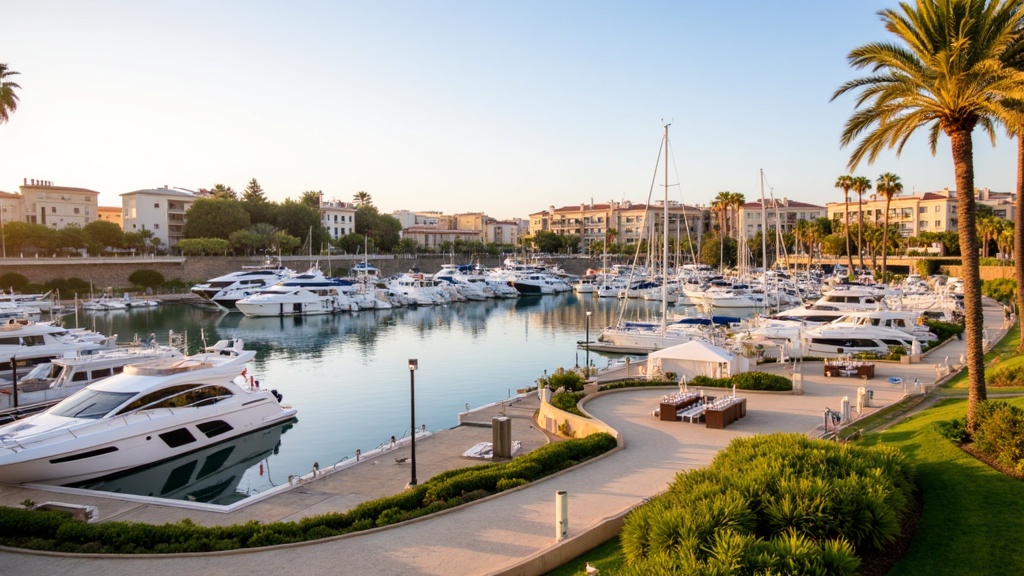
Sotogrande: Luxury New-Build and the Polo Set
This guide provides foreign buyers with a comprehensive overview of purchasing new-build luxury property in Sotogrande, covering the entire process from initial steps to long-term ownership. It details essential taxes, legal protections for off-plan purchases, financing options, and important relocation considerations, all framed within Sotogrande's exclusive polo and golf lifestyle.
Sotogrande, nestled on Andalusia’s sun-drenched Costa del Sol, is globally renowned for its understated luxury, pristine golf courses, world-class marina, and vibrant polo scene. For discerning foreign buyers seeking a premium lifestyle combined with modern amenities, the new-build property market in Sotogrande presents a compelling opportunity. This authoritative guide offers an in-depth look at acquiring new-build (obra nueva) and off-plan properties in this exclusive destination, detailing the crucial financial, legal, and lifestyle aspects for international purchasers.
The Appeal of Sotogrande New-Build Property
Sotogrande has long attracted a sophisticated international clientele, with a significant proportion of its residents being non-Spanish. This demand fuels continuous investment in high-end new developments, particularly in sought-after areas such as La Reserva and the original Kings and Queens neighbourhood. The new-build market here is characterised by contemporary architecture, sustainable design, and resort-style amenities, catering to buyers seeking year-round living, remote work possibilities, and long-term investment value.
Purchasing a new-build property offers several advantages over resale options. These include modern design and energy efficiency, the ability for some customisation, and the assurance of developer warranties. Furthermore, off-plan properties often represent an opportunity to secure a home at an earlier price point, with the potential for capital appreciation during the construction phase.
Navigating the New-Build Purchase Process
The process of buying a new-build or off-plan property in Spain, while secure, involves specific steps:
- Reservation Agreement: This initial step typically involves a small deposit to reserve the property and take it off the market for a short period. During this time, your legal representative will conduct preliminary checks.
- Private Purchase Contract (PPC): Once due diligence is completed, a PPC is signed, outlining the terms of the sale, payment schedule, and completion date.
- Stage Payments: For off-plan properties, payments are made in instalments as construction progresses. These payments are legally protected.
- Bank Guarantees (Aval Bancario): Spanish law mandates that all payments made to a developer for an off-plan property must be protected by a bank guarantee or equivalent insurance policy. This ensures that if the developer fails to complete the property, or defaults, your deposited funds plus interest will be reimbursed. These funds must be held in a special escrow account.
- Completion at Notary: The final step involves signing the public deed of sale (Escritura Pública) before a Spanish Notary, transferring ownership.
Essential Identifications and Banking
To purchase property in Spain, a foreign buyer will require a Número de Identificación de Extranjero (NIE). This unique identification number is fundamental for all financial and legal transactions in Spain, including buying property, opening a bank account, and paying taxes.
The NIE can be obtained either in Spain at a police station or Oficina de Extranjería, or from your home country via a Spanish consulate or embassy. The application typically requires a valid passport, the EX-15 application form, proof of purpose for the NIE, and payment of an administrative fee.
Opening a Spanish bank account is also essential for managing property-related expenses, receiving mortgage payments, and settling utility bills. Many banks offer services tailored to non-residents.
Understanding Property Purchase Taxes for New-Builds
The tax landscape for new-build properties differs significantly from resale properties. In Andalusia, where Sotogrande is located, new-build purchases are subject to the following primary taxes:
- Value Added Tax (IVA): This is levied at a flat rate of 10% of the purchase price for residential new-build properties.
- Stamp Duty (Actos Jurídicos Documentados – AJD): In Andalusia, AJD for new-build properties is currently 1.2% of the purchase price.
In addition to these main taxes, buyers should budget for other associated costs, including:
- Notary Fees: These are legally regulated and vary based on the property’s price.
- Land Registry Fees: Charged for registering the property in your name.
- Legal Fees (Abogado): Highly recommended for independent legal advice and due diligence, typically around 1% of the purchase price plus IVA.
- Utilities Connection Fees: For new properties, there are costs to connect water and electricity.
When factoring in all taxes and associated costs, foreign buyers of new-build properties in Andalusia should anticipate an additional 12.5% to 15% on top of the property’s purchase price.
Ongoing Property Ownership Costs
Ownership of a property in Sotogrande entails several annual costs:
- Impuesto sobre Bienes Inmuebles (IBI): This is a local council property tax, calculated based on the cadastral value of the property. For urban properties in San Roque (which encompasses Sotogrande), the IBI rate is 0.400% of the cadastral value.
- Impuesto sobre la Renta de No Residentes (IRNR) – Modelo 210: Non-residents who own property in Spain are liable for this income tax, even if the property is not rented out. For properties not rented, a ‘deemed income’ is calculated on the cadastral value: 1.1% if the cadastral value has been revised in the last 10 years, or 2% otherwise. The tax rate applied to this deemed income is 19% for EU/EEA residents and 24% for non-EU residents. If the property is rented out, the rental income is taxed at the same rates, but only EU/EEA residents can deduct expenses.
- Community Fees: If the property is part of a community (e.g., an urbanisation, apartment complex, or golf resort), community fees are payable for the maintenance of common areas, pools, and security.
- Utilities: Water, electricity, internet, and gas.
Wealth Tax and the Solidarity Tax on Large Fortunes
The regional government of Andalusia introduced a 100% allowance on Wealth Tax (Impuesto sobre el Patrimonio) for residents and non-residents on assets located in Andalusia as of September 2022. This effectively means that the regional wealth tax liability for properties in Andalusia is zero.
However, it is crucial to be aware of the national ‘Temporary Solidarity Tax on Large Fortunes’ (ITSGF). This tax applies to net wealth exceeding €3,000,000. For non-residents, this tax is levied only on assets located in Spain. There is a €700,000 exempt amount, meaning the tax is only applicable on net assets above €3,700,000. The amount paid under any regional Wealth Tax can be deducted from the Solidarity Tax liability. The Solidarity Tax, initially temporary, has been made permanent.
Financing Your Luxury New-Build
Non-resident buyers can obtain mortgages from Spanish banks. Typically, banks will lend a maximum of 60% to 70% of the property’s valuation or purchase price (whichever is lower), meaning a deposit of 30% to 40% is required. The repayment term for non-resident mortgages is generally up to 25 years. It is advisable to factor in additional funds for purchase costs, which Spanish banks generally do not finance.
Relocation and Residency Considerations
For non-EU citizens considering relocating to Spain, the Golden Visa program, introduced in 2013, offered a path to residency through significant investments. While the real estate investment route (€500,000 in property) was a popular option, the Spanish government announced its intention to cease issuing Golden Visas for real estate investments from April 9, 2024. However, other investment avenues, such as investing €1 million in financial assets or €2 million in public debt, remain available for qualifying for the Golden Visa.
Beyond the Golden Visa, other residency options exist, such as the Non-Lucrative Visa or Digital Nomad Visa, depending on individual circumstances and financial situations. Professional legal advice is highly recommended to navigate the complexities of Spanish residency laws.
The Exclusive Sotogrande Lifestyle
Sotogrande is more than just a location; it is a lifestyle. The area boasts some of Europe’s finest golf courses, including Valderrama, and is synonymous with high-goal polo. Its marina offers extensive yachting facilities, while chic beach clubs and fine dining restaurants provide a sophisticated social scene. The presence of the acclaimed Sotogrande International School also makes it particularly attractive to families seeking world-class education. Security, privacy, and beautifully landscaped surroundings are hallmarks of this distinguished community, making it a premier choice for those seeking a tranquil yet active luxury life on the Costa del Sol.
Conclusion
Investing in a new-build property in Sotogrande offers a unique blend of luxury, modern living, and access to an exclusive lifestyle on the Costa del Sol. While the purchase process involves understanding specific Spanish tax regulations and legal procedures, these are well-established and designed to protect buyers, particularly in the new-build sector. With careful planning and professional guidance, foreign buyers can confidently secure their dream home in this prestigious Spanish enclave.
Frequently asked questions
What are the main taxes for buying a new-build property in Sotogrande?
For new-build properties in Sotogrande, buyers pay 10% IVA (Value Added Tax) and 1.2% AJD (Stamp Duty). These are applied to the purchase price of the property.
Are my payments protected when buying an off-plan property in Spain?
Yes, Spanish law provides strong protection for off-plan buyers. Developers are legally required to provide bank guarantees (aval bancario) or insurance for all payments made before the property's completion. These funds must be deposited into a special, protected account.
What is an NIE number and why do I need one?
The NIE (Número de Identificación de Extranjero) is a unique identification number for foreigners in Spain. It is essential for all significant transactions, including buying property, opening a bank account, and paying taxes.
How much deposit do I need for a mortgage as a non-resident in Spain?
Non-resident buyers typically need a deposit of 30% to 40% of the property's value, as Spanish banks generally lend a maximum of 60% to 70%. You will also need separate funds to cover purchase costs.
Is there still a Golden Visa for property investment in Spain?
The Spanish government announced on April 9, 2024, its intention to stop issuing Golden Visas for real estate investments. However, other investment options, such as €1 million in financial assets or €2 million in public debt, still qualify for the Golden Visa.
What is the wealth tax situation for property owners in Sotogrande?
Andalusia has a 100% allowance on its regional Wealth Tax, effectively setting it to zero for assets in Andalusia. However, the national 'Temporary Solidarity Tax on Large Fortunes' may apply if your net Spanish assets exceed €3,700,000 (after a €700,000 exemption).